We’ve just returned from the first 54 Dean Street hosted trip to the Bahamas in search of Bonefish. We still have a little salt on our skin and more than a touch of nostalgia as we look back on six unforgettable days of guided fly fishing, staying together in a private villa.
Our group of five friends included three experienced saltwater fly anglers and two newcomers to the discipline. Nothing was left to chance, including our travel arrangements. For our May 6 departure, we chose the UK's national carrier, British Airways.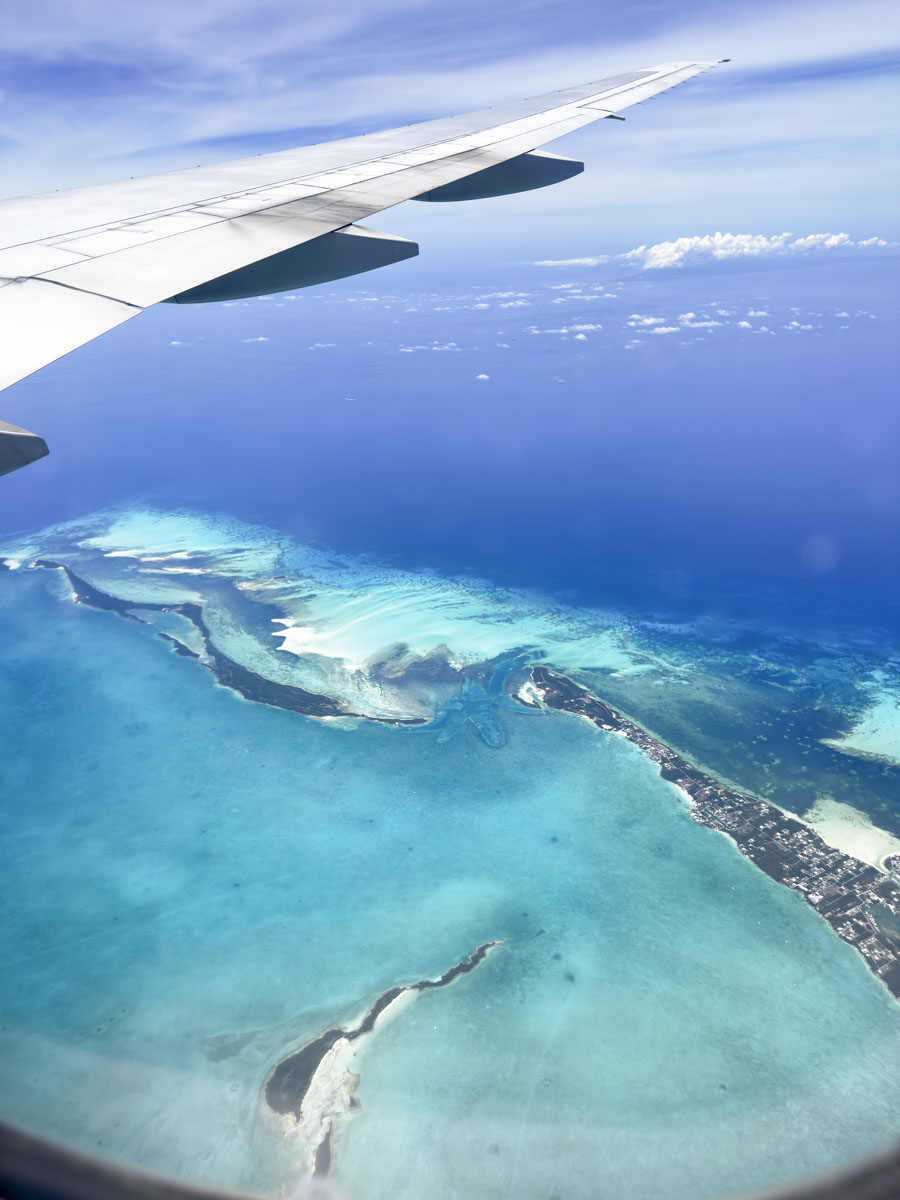
We flew from Milan Linate to London, where we connected to Nassau, the capital of the Bahamas. From Nassau, a final Bahamas air flight brought us to Freeport, Grand Bahama, our final destination.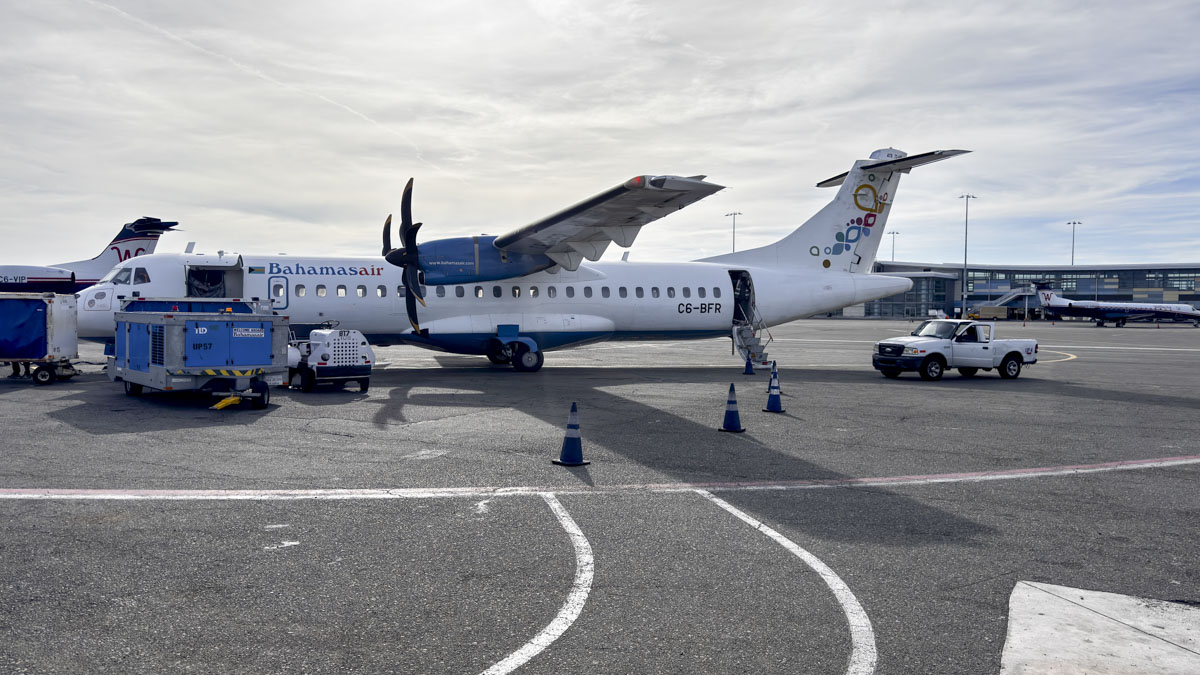
After clearing customs and collecting our luggage, we drove to our villa in Freeport in two rental cars that we had booked in advance from Italy. In the evening we had a couple of beers and a great dinner, then we called it a night, hoping to shake off the jet lag and get ready for the six days of fishing that lay ahead.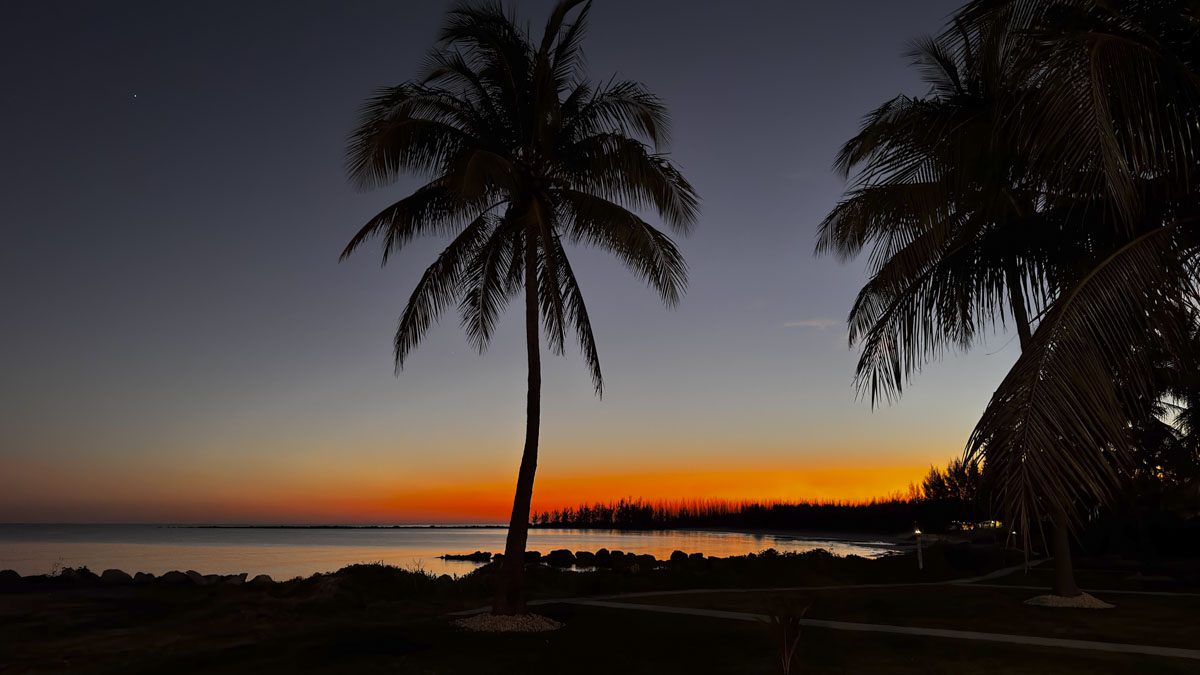
Saltwater fly fishing demands careful attention to your tackle. The marine environment, salt, and the sheer power of the fish will test every piece of equipment. A poor choice—whether it's your rod or even your clothing—can quickly become a source of frustration. Each of us brought at least two outfits to be prepared for both Bonefish and larger species should the opportunity arise.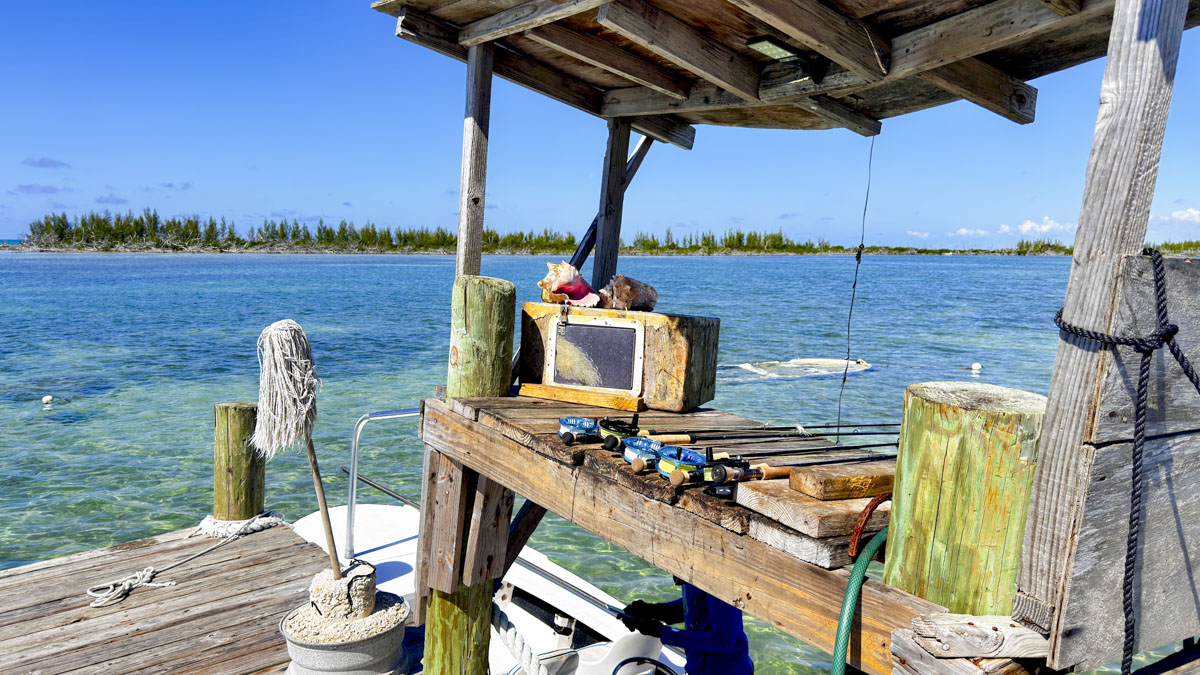
Most of us relied on the Guideline Coastal 9' #8 and Guideline Coastal 9' #10, with the #8 being ideal for Bonefish and the #10 ready for Permit or Tarpon. Others chose the Guideline NT11 9' #8 and Guideline NT11 9' #9.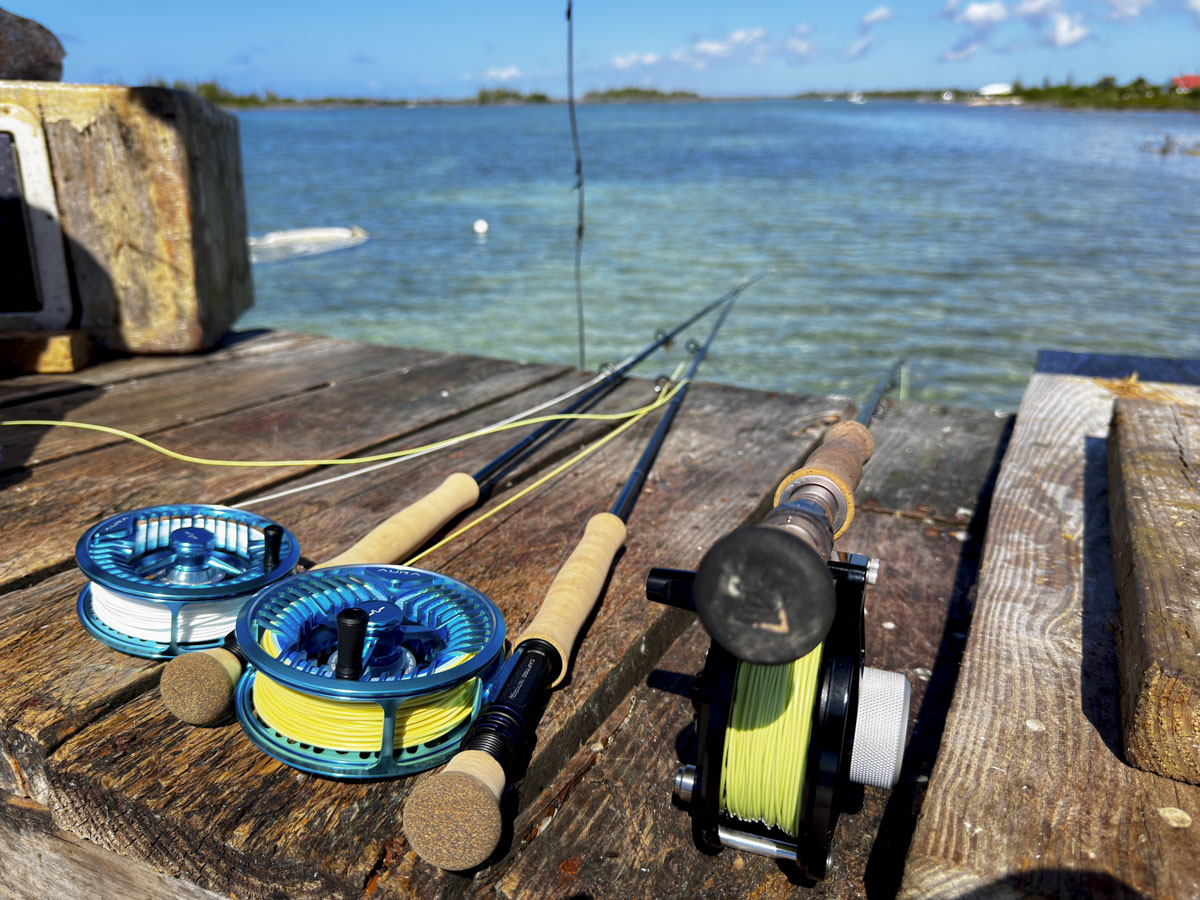
Several members of the group fished with Loomis & Franklin NX8 rods, an excellent and slightly more affordable alternative to the Guideline range, while offering equally impressive performance. Here too, the chosen models were the 9' #8 and 9' #10.
Experienced saltwater anglers often place even greater importance on the reel than on the rod, and reliability was once again our priority. For this trip, we successfully tested the brand-new Guideline Aura Reels, recently introduced for the 2026 season. We used both the 7/8 and the 9/10 sizes. Besides their striking appearance—we all preferred the Blue finish—they feature a fully sealed drag system that keeps out water and salt, along with a large arbor perfectly suited to this style of fishing. Even during the blisteringly fast runs of Bonefish, they performed flawlessly. Those fishing with Loomis & Franklin rods paired them with LMF SW 7/9 and 9/10 reels.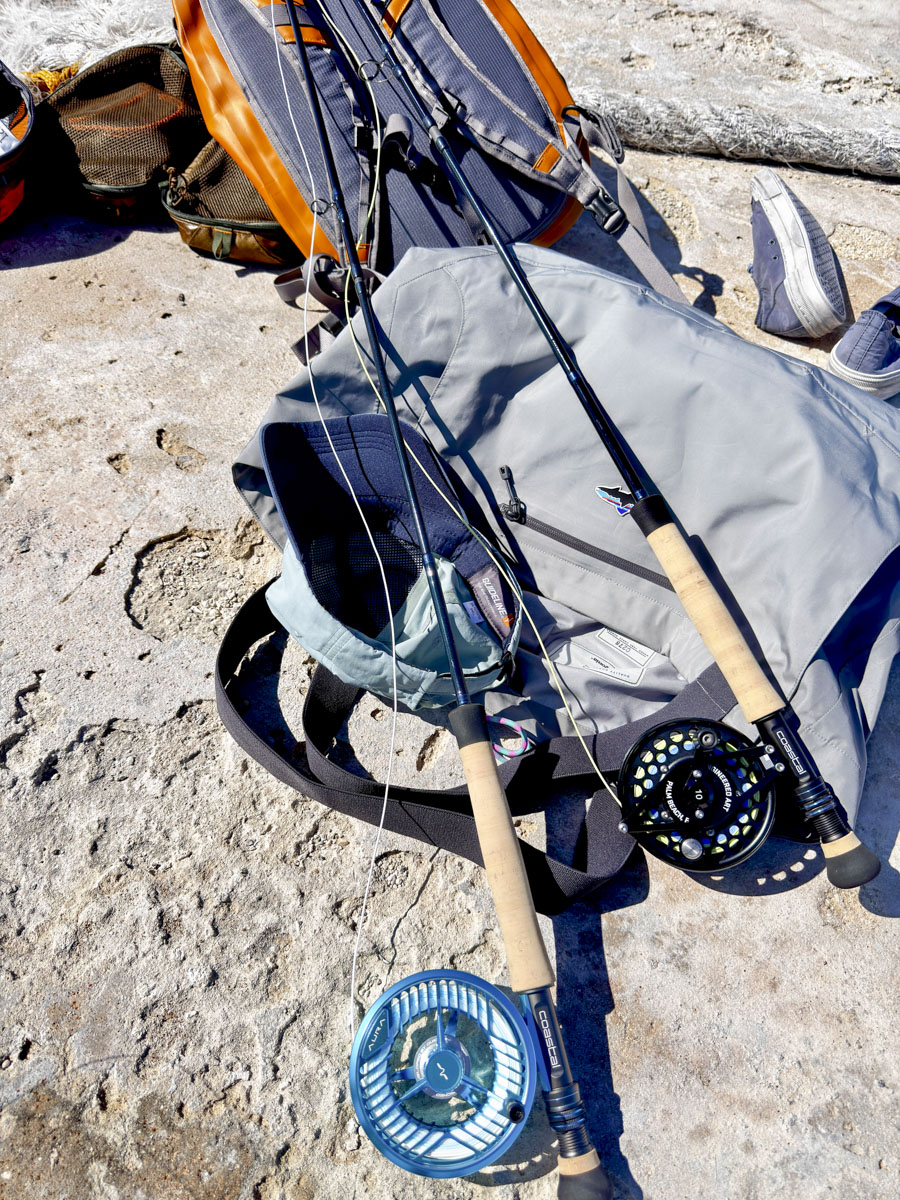
The heavier outfits, intended for larger predators such as Permit and Tarpon, were matched with the outstanding Old Mariner reels, exclusively distributed in Europe by 54 Dean Street. These are true saltwater workhorses, featuring a one-piece fully machined frame that eliminates flex, military-grade Type III anodizing, and a completely sealed drag system. We brought the size 10 and 12 models.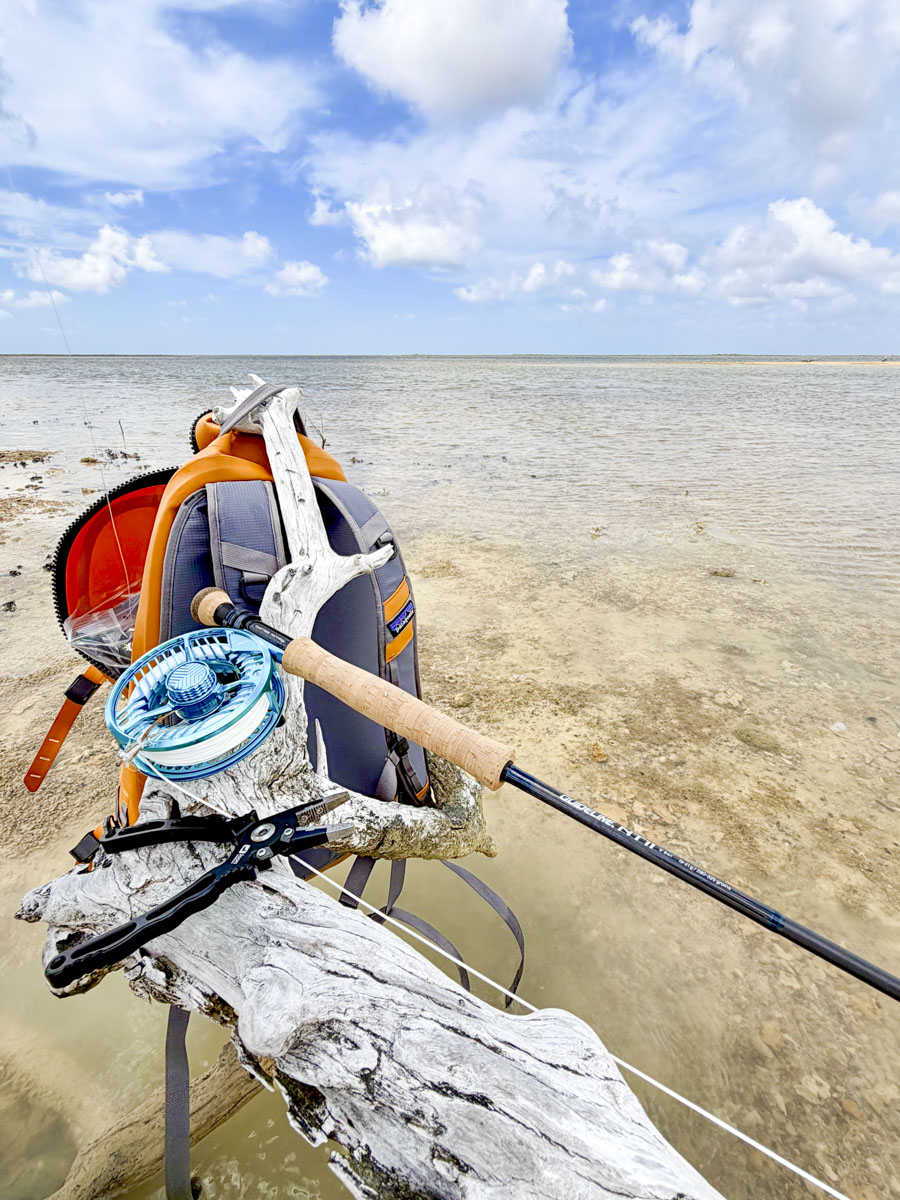
For fly lines, we trusted Cortland, whose saltwater range covers virtually every situation, from cold coastal waters to tropical flats, targeting everything from sea trout to GT, Permit, Tarpon, Sailfish, and Tuna. On this trip, we fished the Bonefish WF8, Tropic All Purpose WF9, and Tarpon WF10 lines.
Special mention also goes to the clothing and accessories we used throughout the trip. Today's market offers a wide range of technical sun-protective clothing, an absolute necessity when spending entire days under intense tropical sunlight. Whether wading or fishing from the boat, you're constantly exposed to strong UV radiation, which can become harmful after prolonged exposure.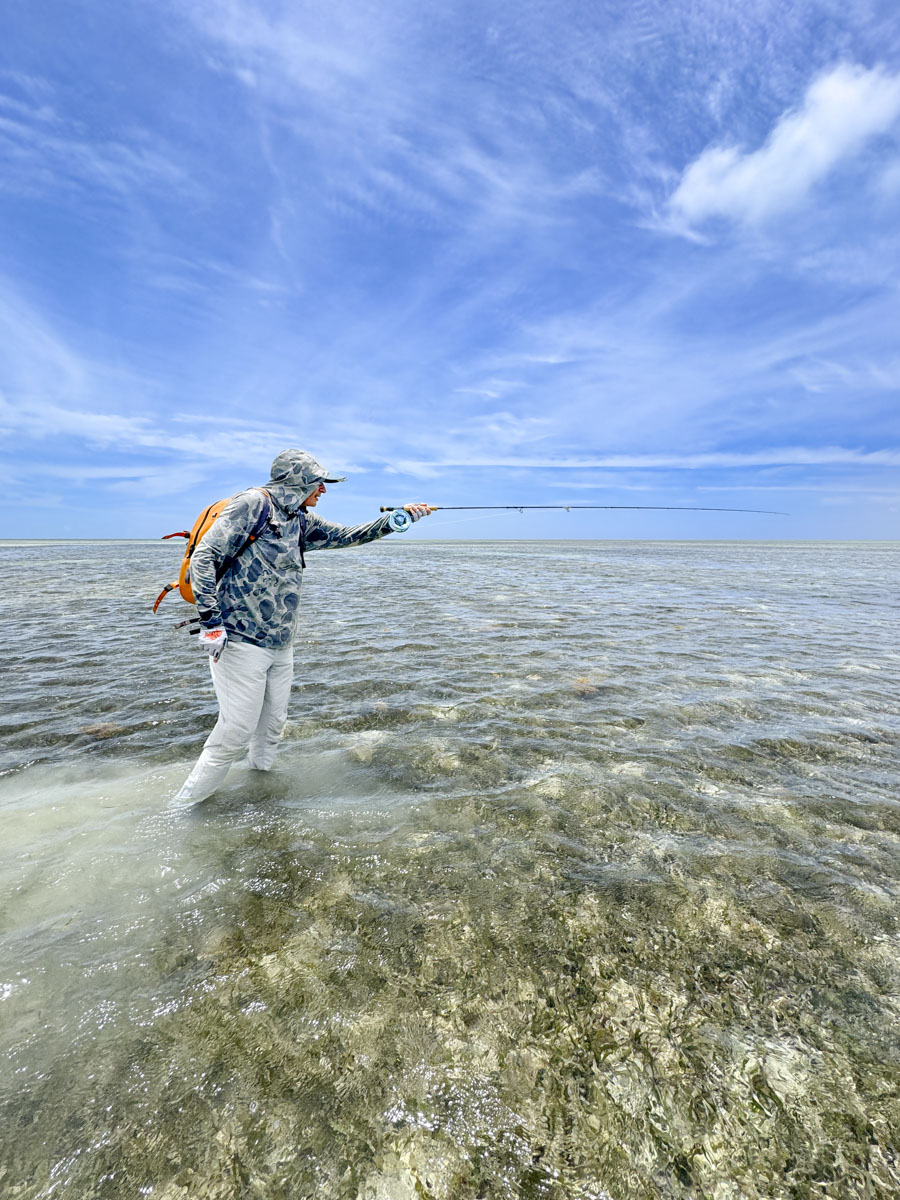
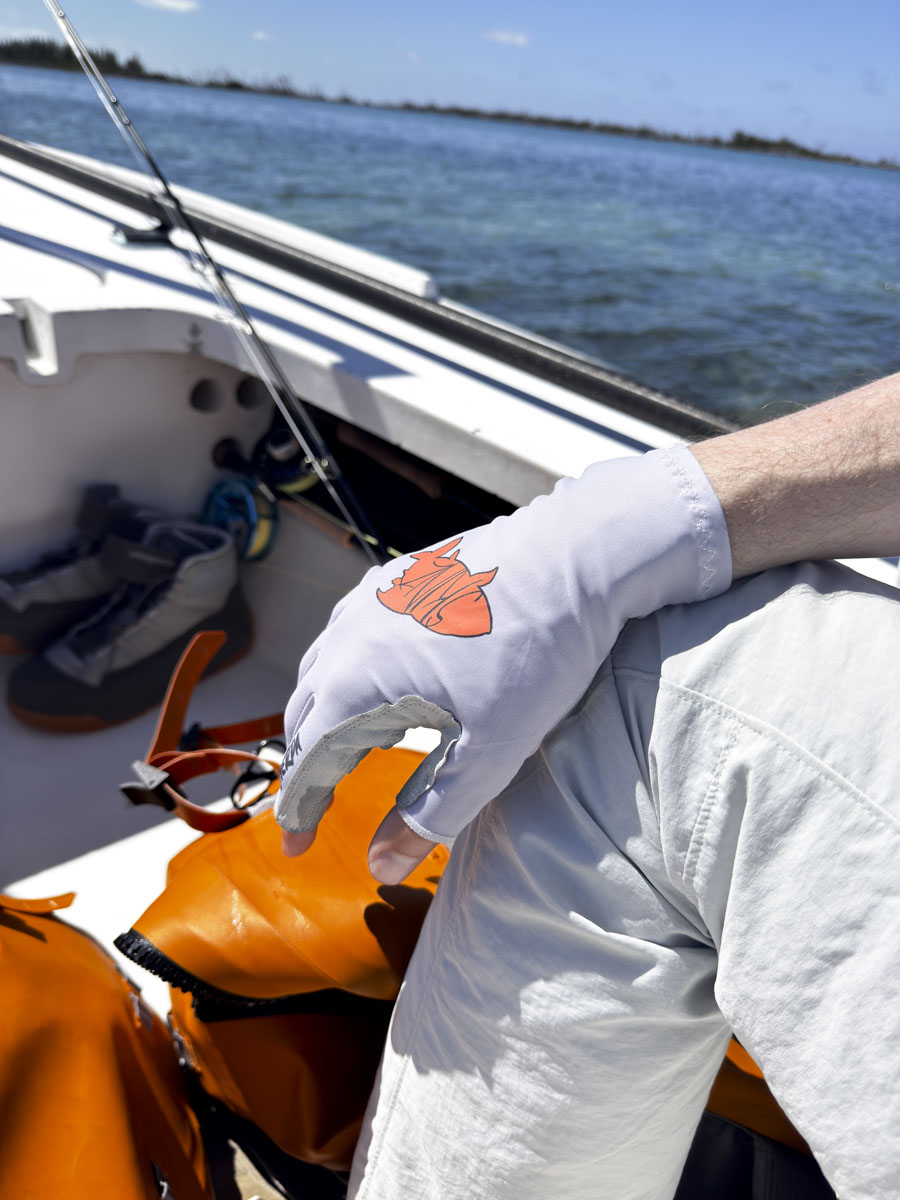
During our fishing days we wore Backcountry Skinz leggings as well as the new Patagonia Sandy Cay leggings. Hooded sun shirts were mandatory, with models from Backcountry Skinz, Salty Crew, and Patagonia. We also used face buffs and protective gloves from both Backcountry Skinz and Patagonia. The Backcountry Skinz gloves proved particularly effective thanks to their longer fingers, which protected our hands from the constant friction of the fly line while stripping.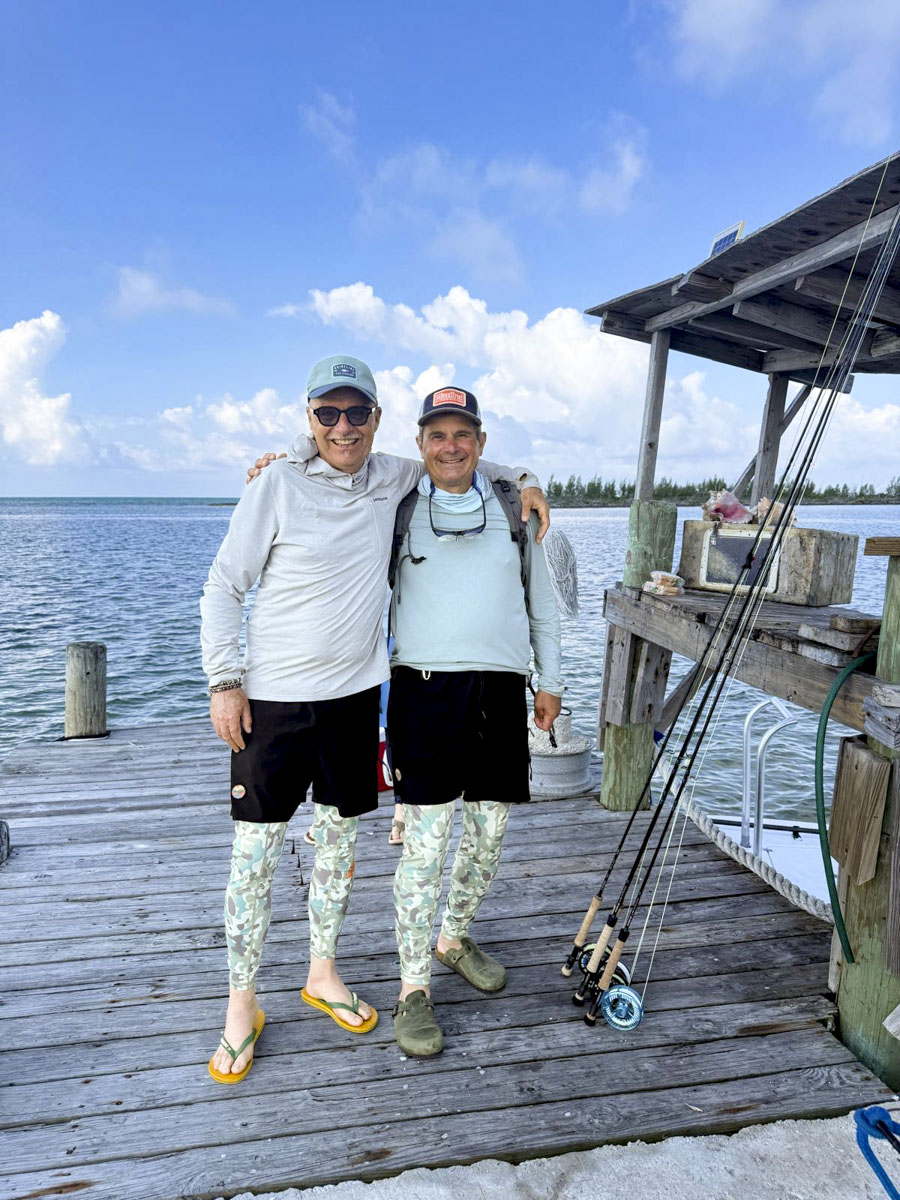
Another piece of equipment where cutting corners simply isn't an option is polarized sunglasses. We relied on Costa Del Mar, with their premium glass lenses specifically designed for saltwater conditions, as well as Out Of, whose lightweight polycarbonate lenses provide an excellent and more affordable alternative.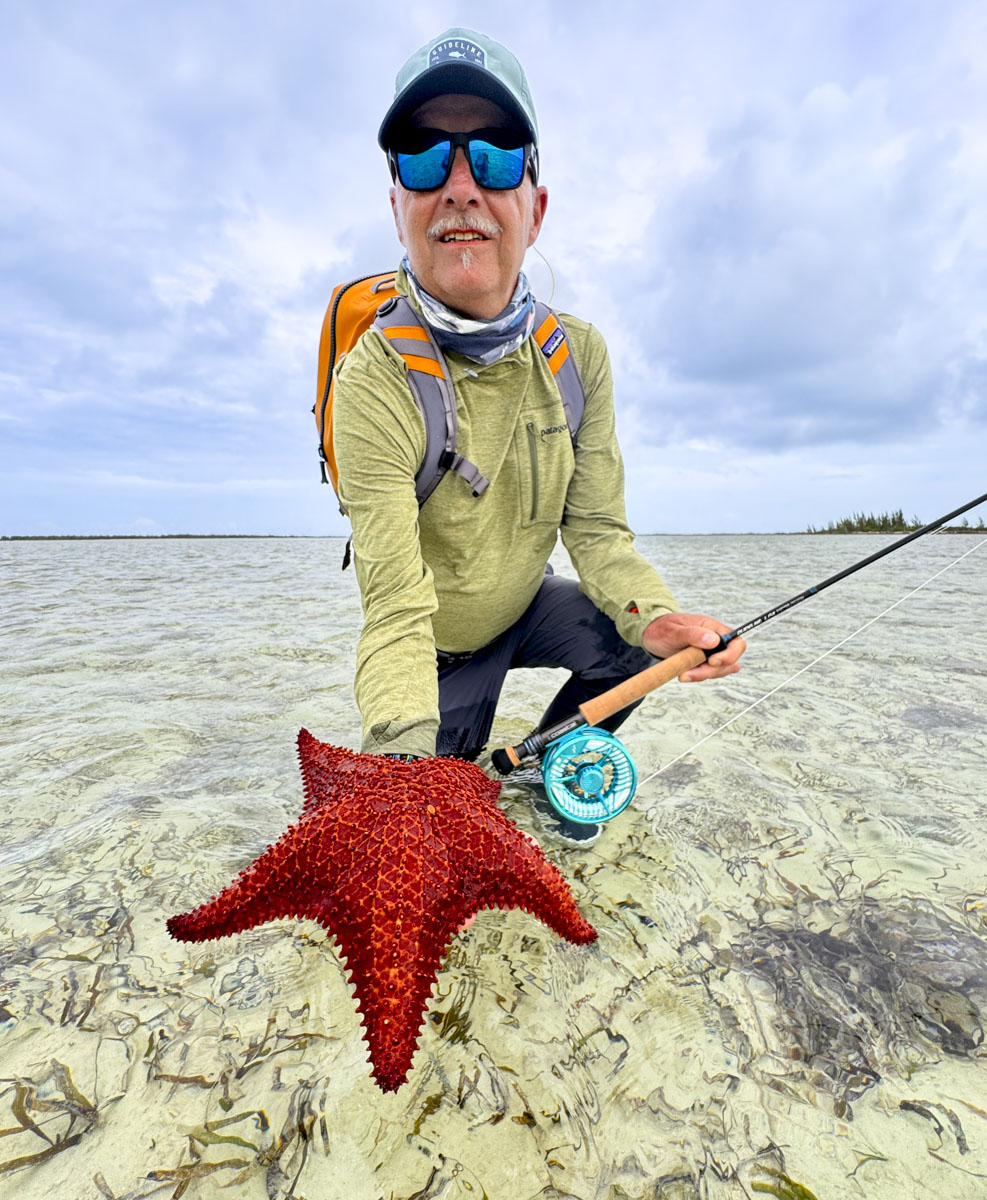
Almost all of the flies we used came from Fulling Mill. Shrimp patterns in a variety of sizes and styles were the undisputed choice for Bonefish, while a selection of crab patterns was kept ready in case a Permit appeared.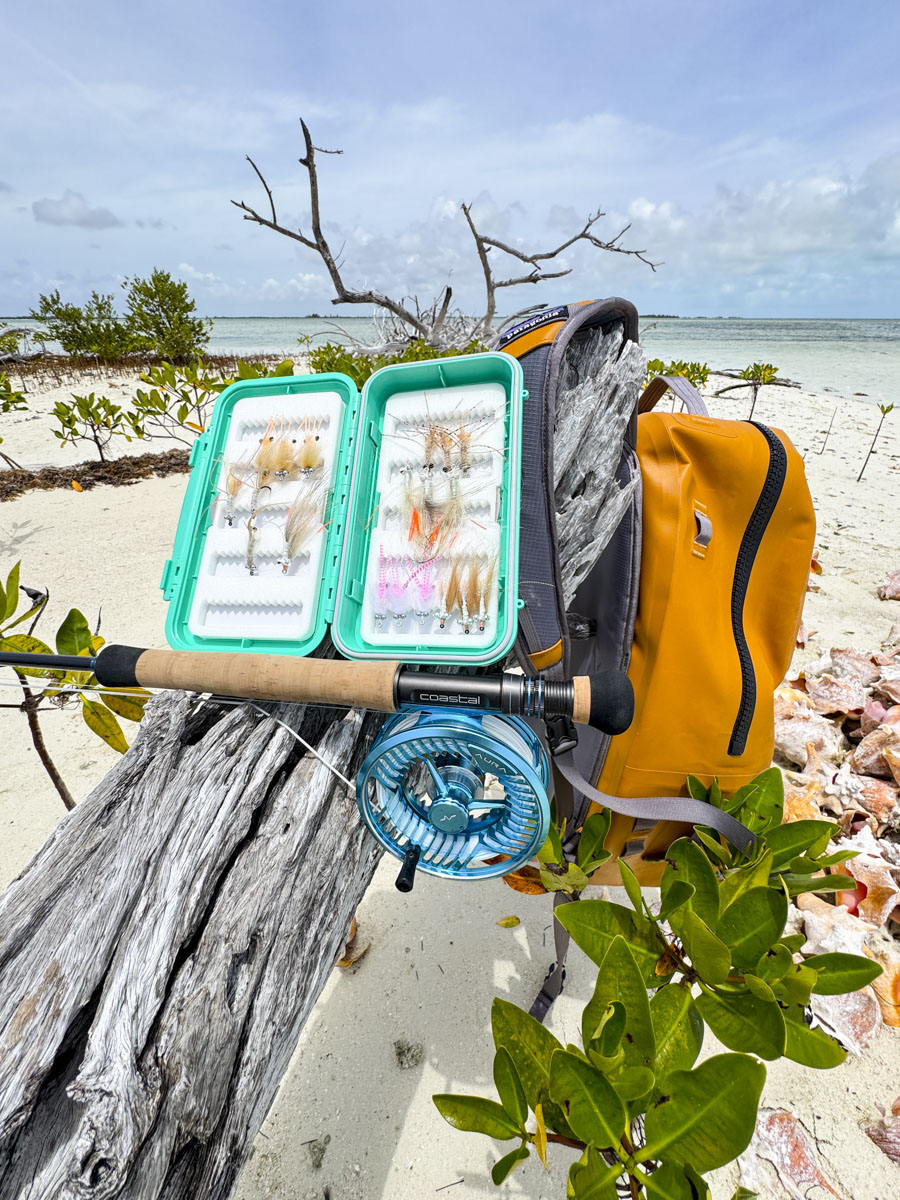
Our guides, whom we had booked six months in advance, met us every morning on the southern tip of Grand Bahama. Before heading out, we would stop for coffee, our daily ritual before setting off in search of Bonefish.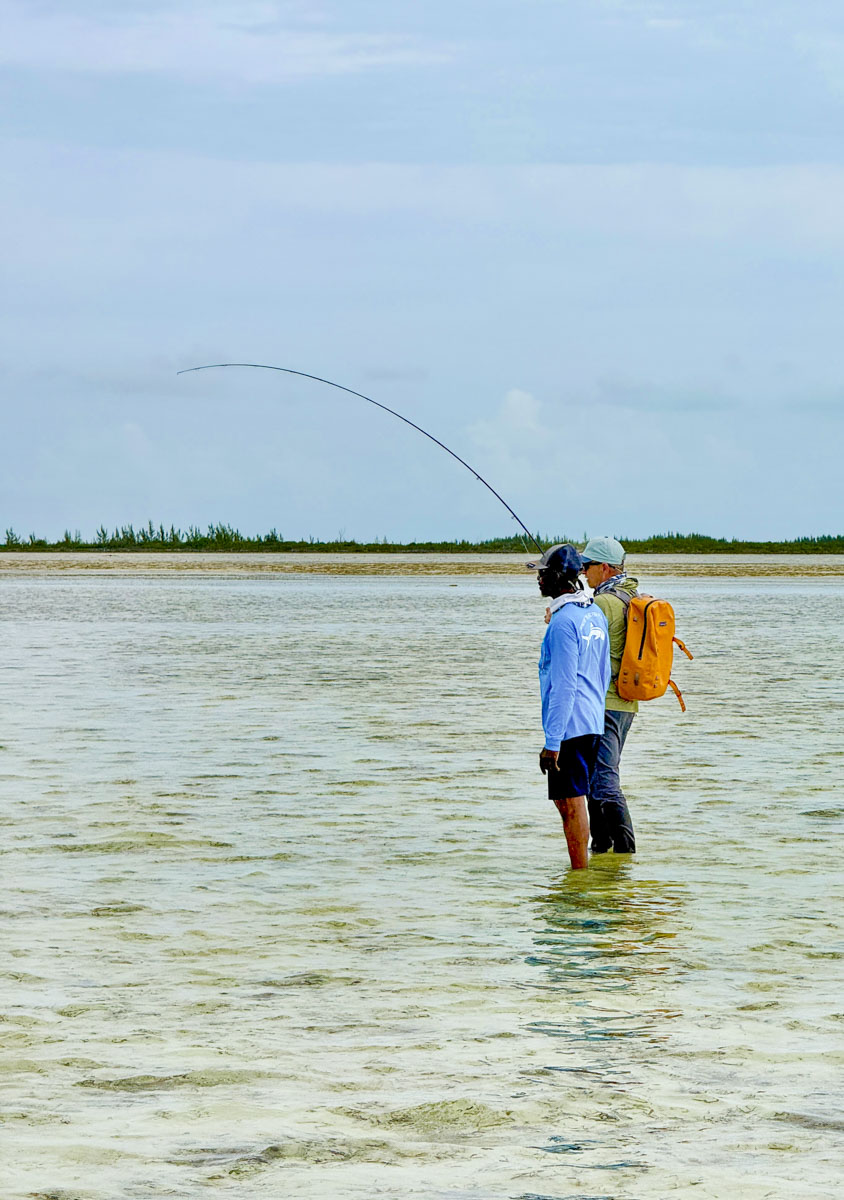
"Hunting" is probably the best word to describe this style of fishing. Whether from the skiff or while wet wading, the entire day revolved around searching for schools of Bonefish. The most exciting challenge was actually spotting them—a far from easy task since we needed to remain at a safe distance to avoid spooking the fish.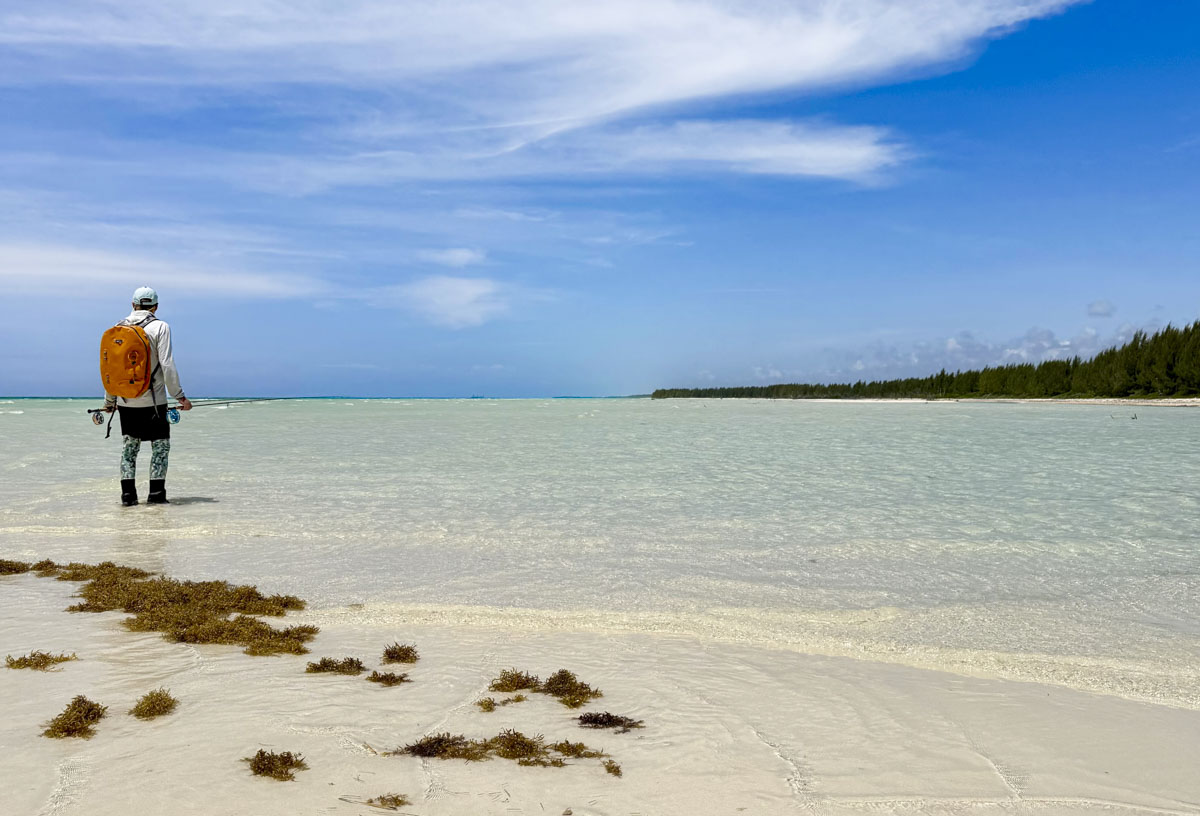
There are essentially three ways to locate Bonefish: by spotting their shadows beneath the surface (often made difficult by changing light conditions), by recognizing the wakes and subtle pressure waves they create as they move against the current across the flats, and finally by seeing them tailing, undoubtedly the most thrilling sight of all as their tails break the surface while feeding.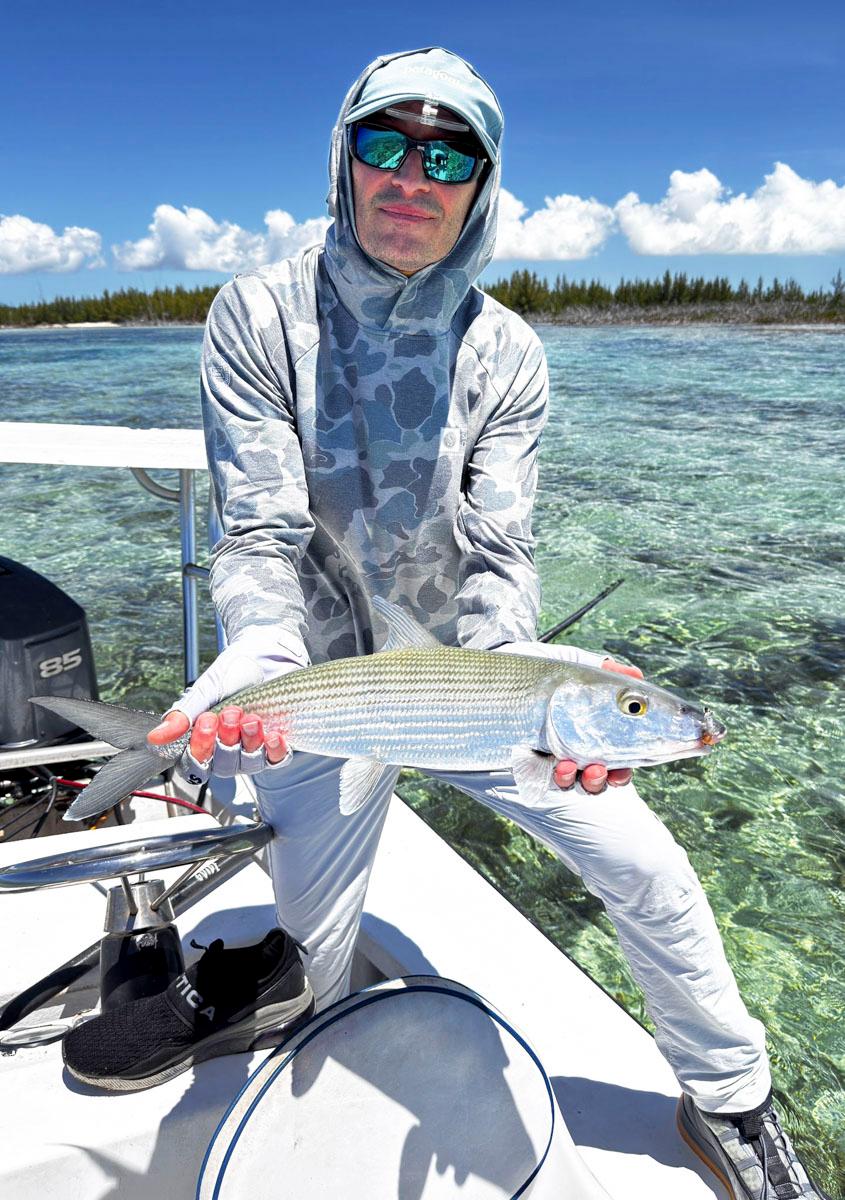
Once the fish were located, the approach began. We carefully closed the distance until reaching a comfortable casting range, constantly reading their movements while making sure not to alarm them with excessive false casting or a fly landing too heavily on the water. A sloppy presentation would end the game instantly.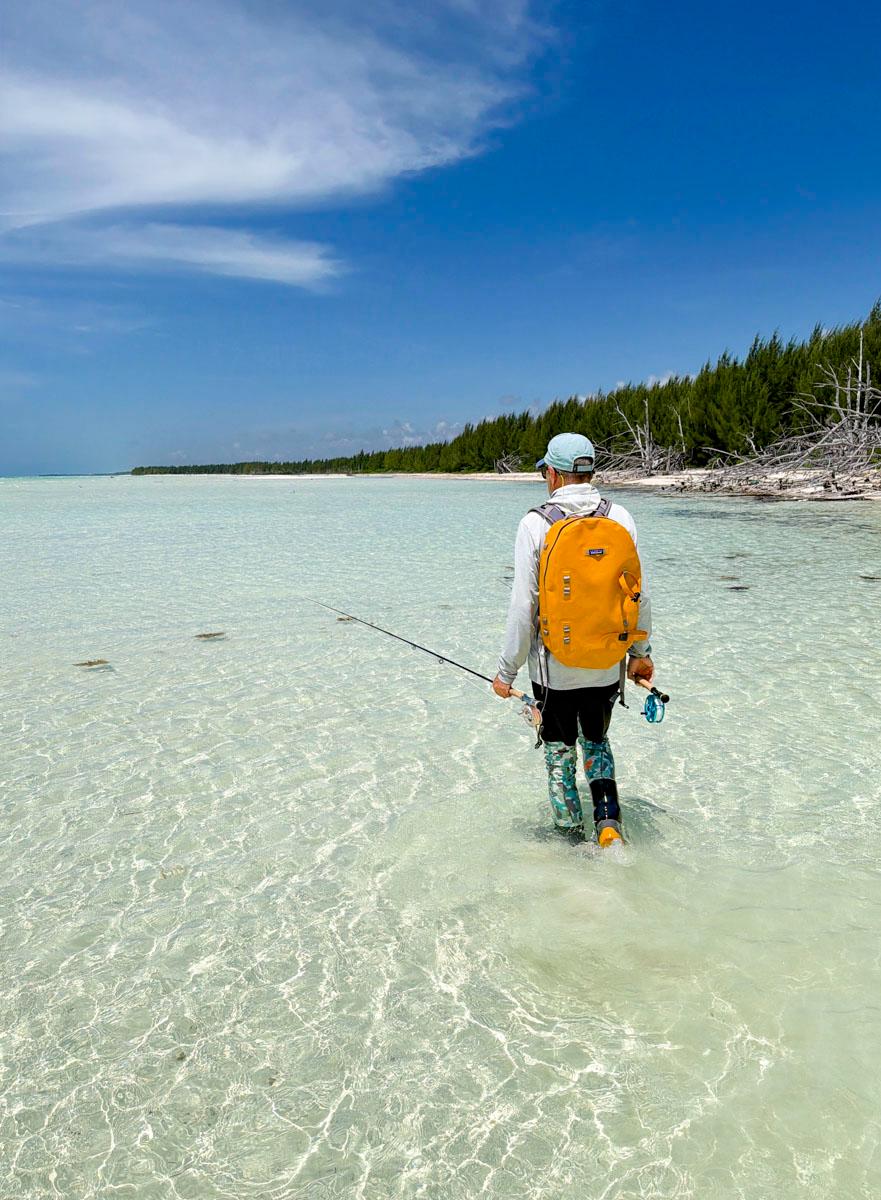
Presenting the fly correctly meant anticipating the direction of travel and placing the cast roughly one meter beyond the fish. Then came the retrieve—sometimes with short strips, sometimes slow and steady, other times punctuated by brief pauses. If everything was done correctly, the take would come, followed by a firm strip strike. Then the rod would be lowered almost parallel to the water, the entire fly line would disappear through the guides, and the backing would soon follow. At that point there was little you could do except watch helplessly as the Bonefish tore across the flat.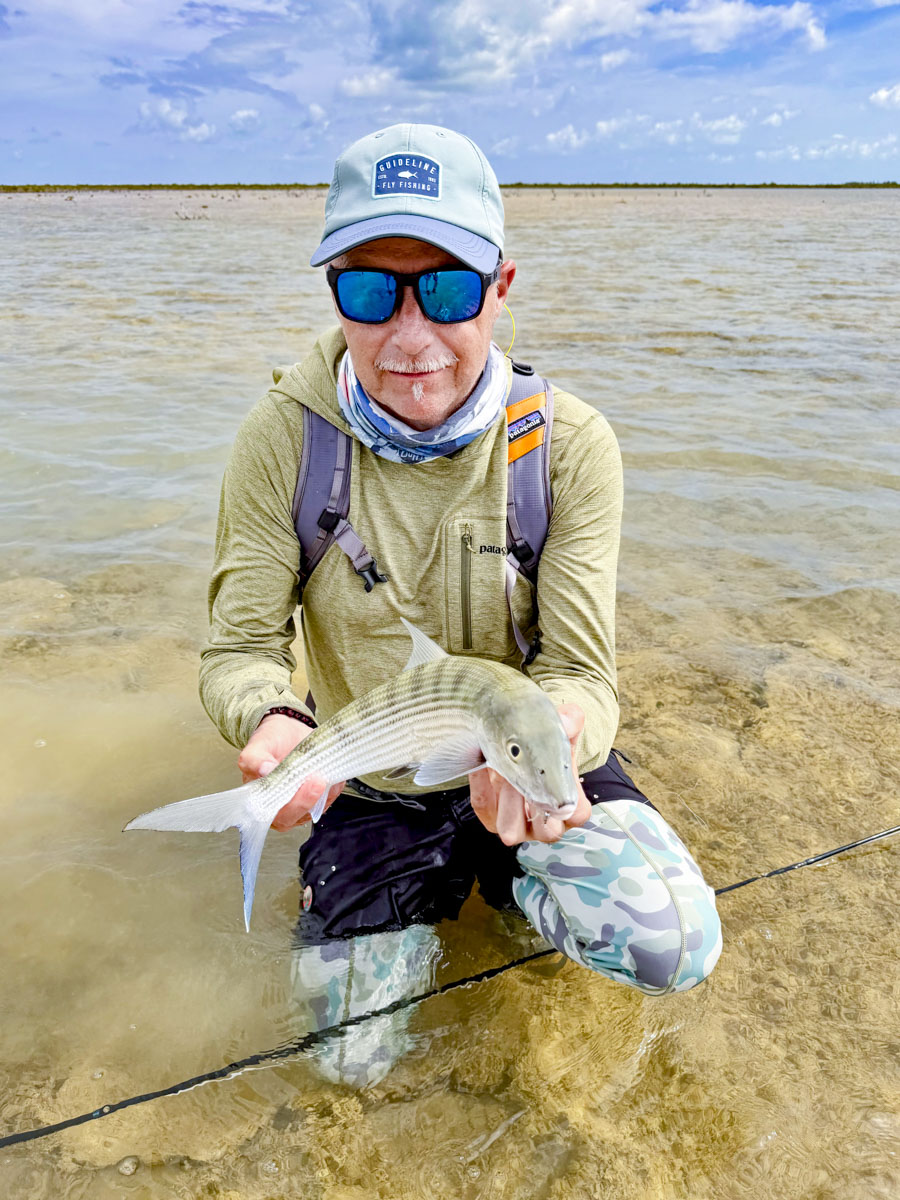
Once the first run ended, we would recover line before the fish exploded into a second run—still incredibly fast, though usually shorter than the first. Another recovery followed, often ending with a tired Bonefish finally coming to hand. The larger fish, however, sometimes found enough strength for yet another blistering run, pushing both tackle and angler to their limits. Then came the traditional photograph before carefully releasing the fish back into the crystal-clear water. 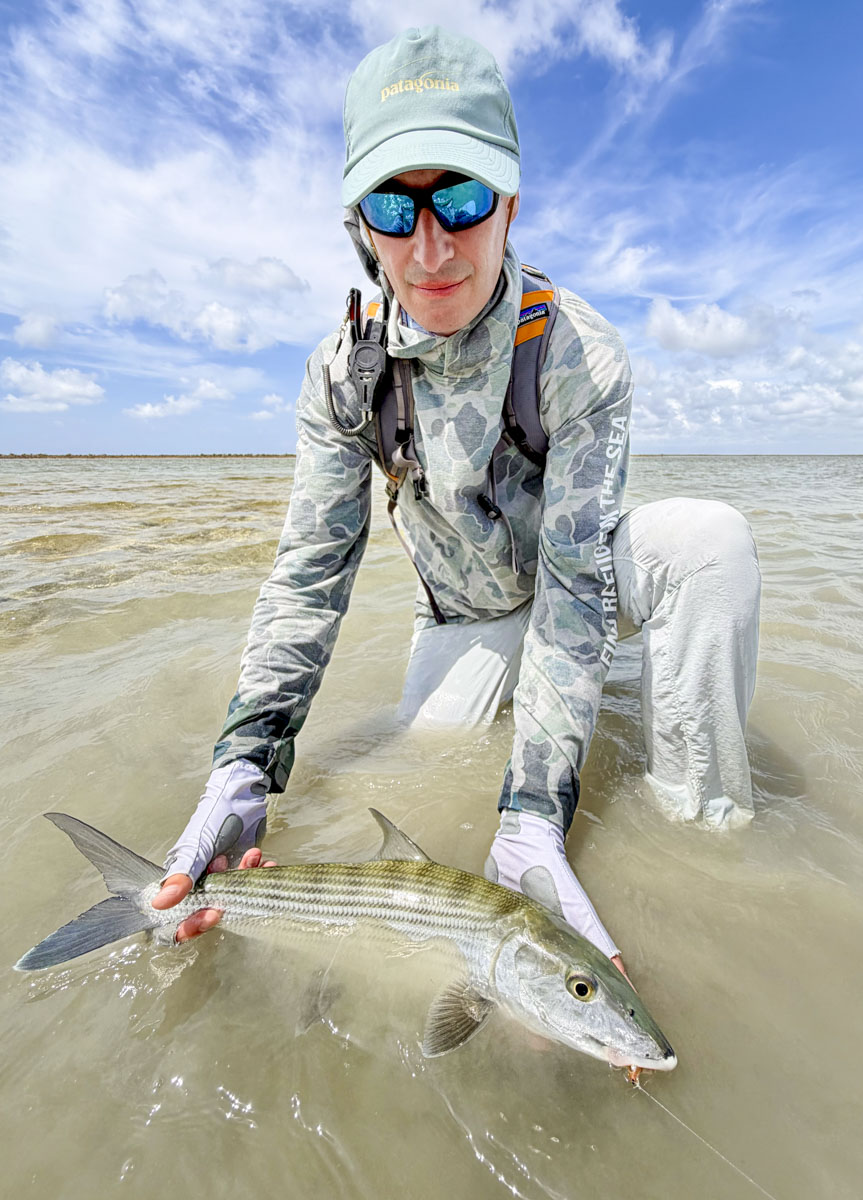
The Bonefish combines astonishing speed with incredible power, providing one of the most exciting experiences in all of fly fishing. At times, hooked Bonefish were chased by huge sharks, some well over two metres long. The desperate attempts by the fish to escape made for spectacular runs—great fun for us, certainly much less so for the Bonefish. Unfortunately, on a few occasions, the shark won the battle, swallowing the unfortunate fish in a single bite.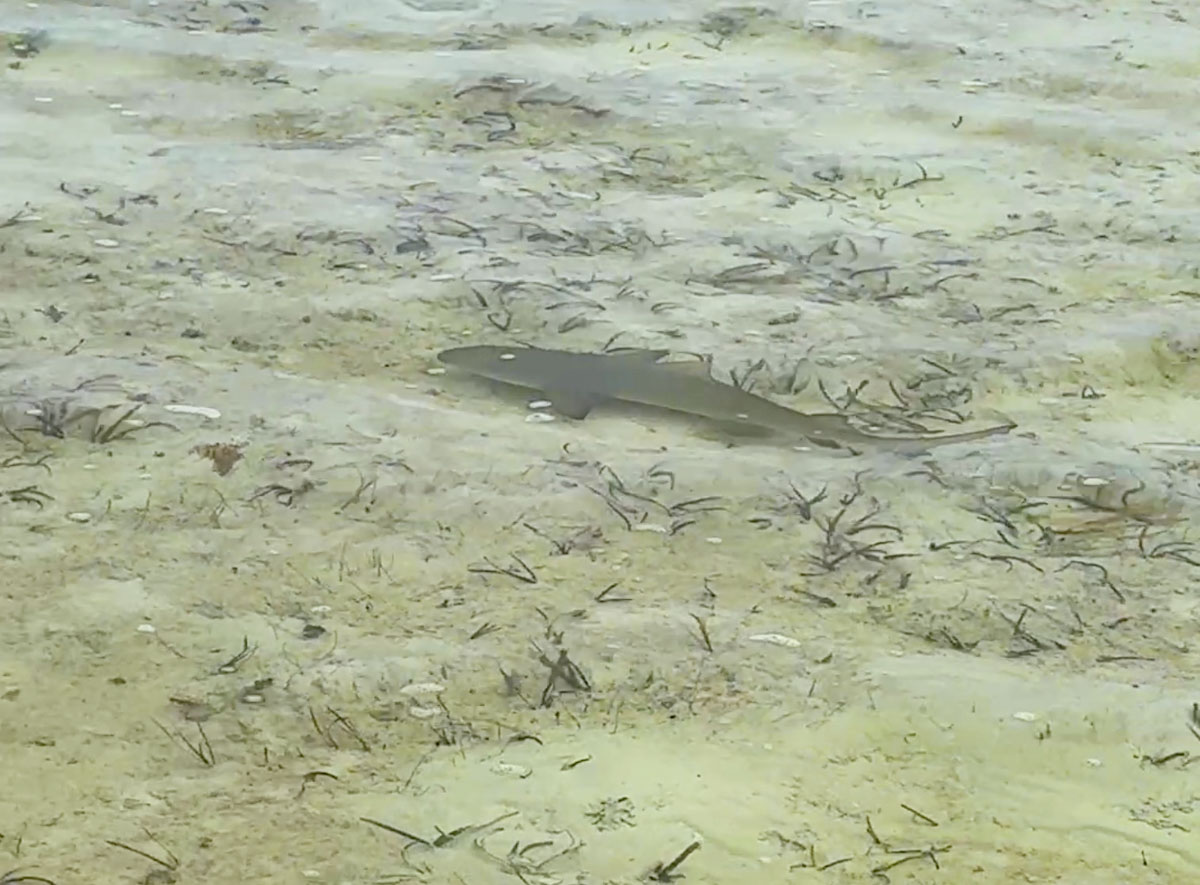
Without question, sight fishing while wading the flats is the most spectacular part of the experience. Alone in knee-deep water of unbelievable colours, you walk among brilliant red sea stars, stingrays, turtles, and countless species of tropical fish. Our eyes hardly knew where to look. Bonefish were the target, of course, but the natural beauty of the Bahamas constantly stole our attention. Then, suddenly, a group of tailing Bonefish would appear, their tails waving above the surface as they fed. You'd carefully move into position, never closer than about twenty meters, extend your fly line, make two false casts, and deliver the presentation. The rest... you can imagine.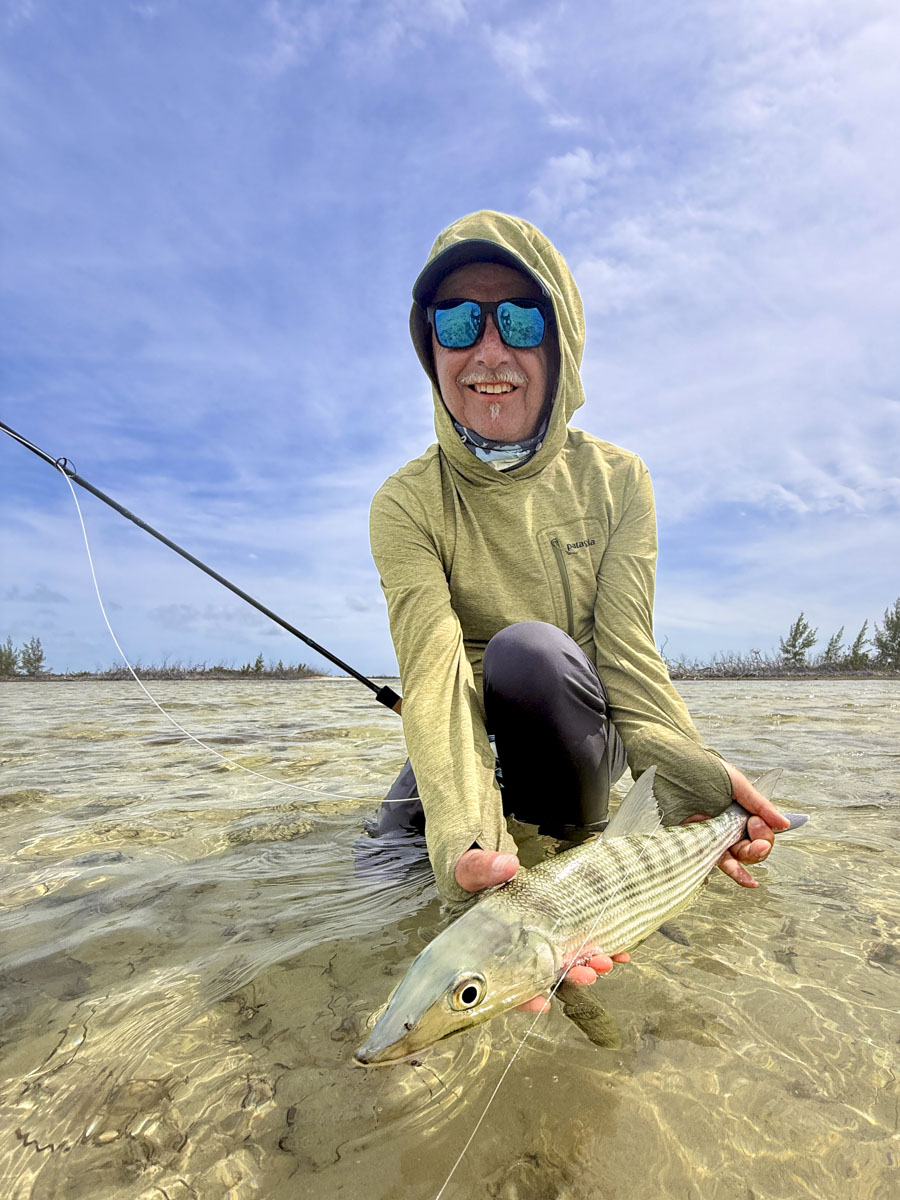
Bonefish truly are extraordinary fish, possessing almost unbelievable strength for their size. When you find them tailing, the experience feels remarkably similar to dry-fly fishing.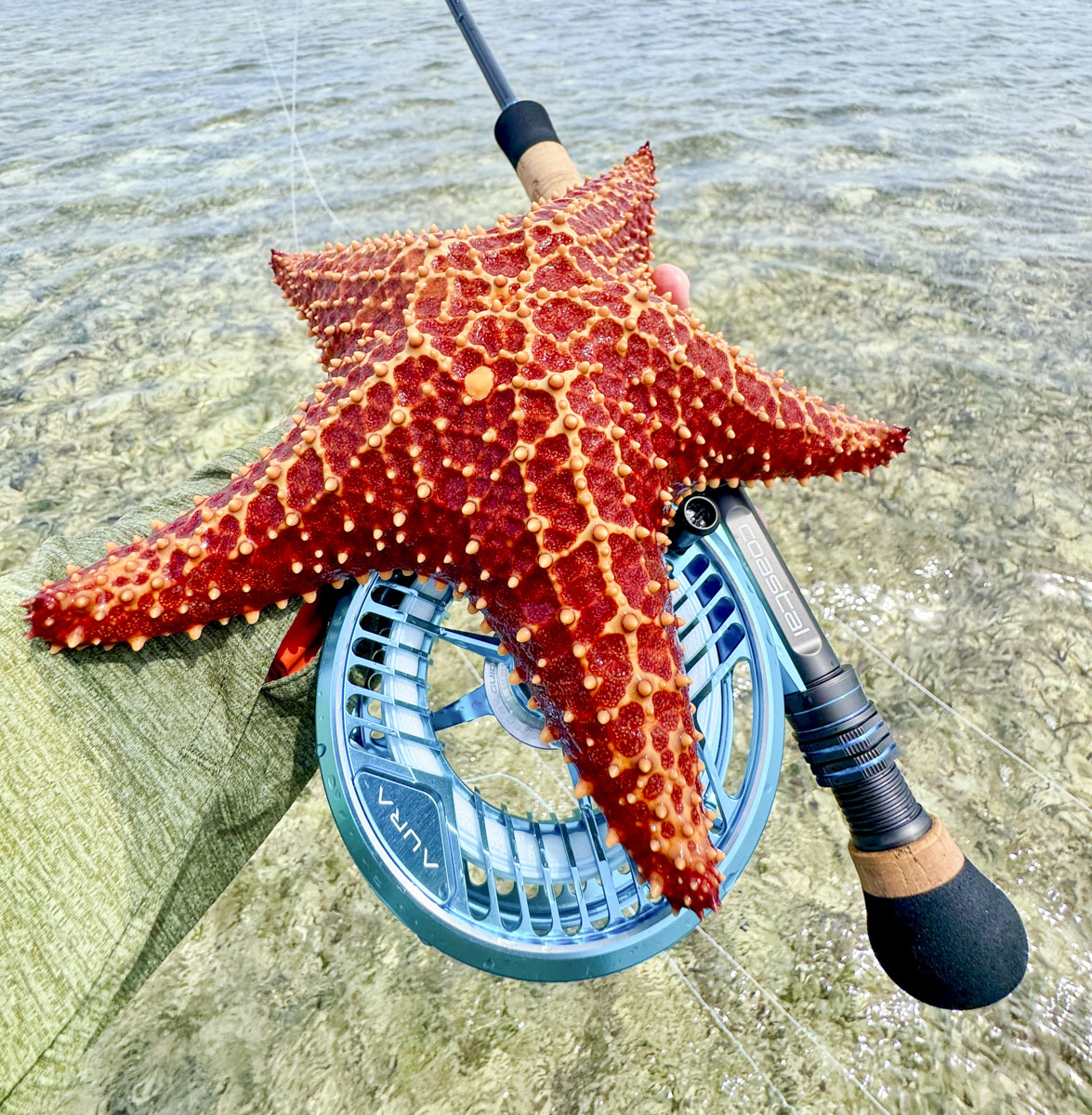
Over the course of our six fishing days, everyone in the group enjoyed success, landing plenty of Bonefish, including several outstanding specimens. Along the way we were rewarded with unforgettable encounters, breathtaking scenery, and countless memorable moments.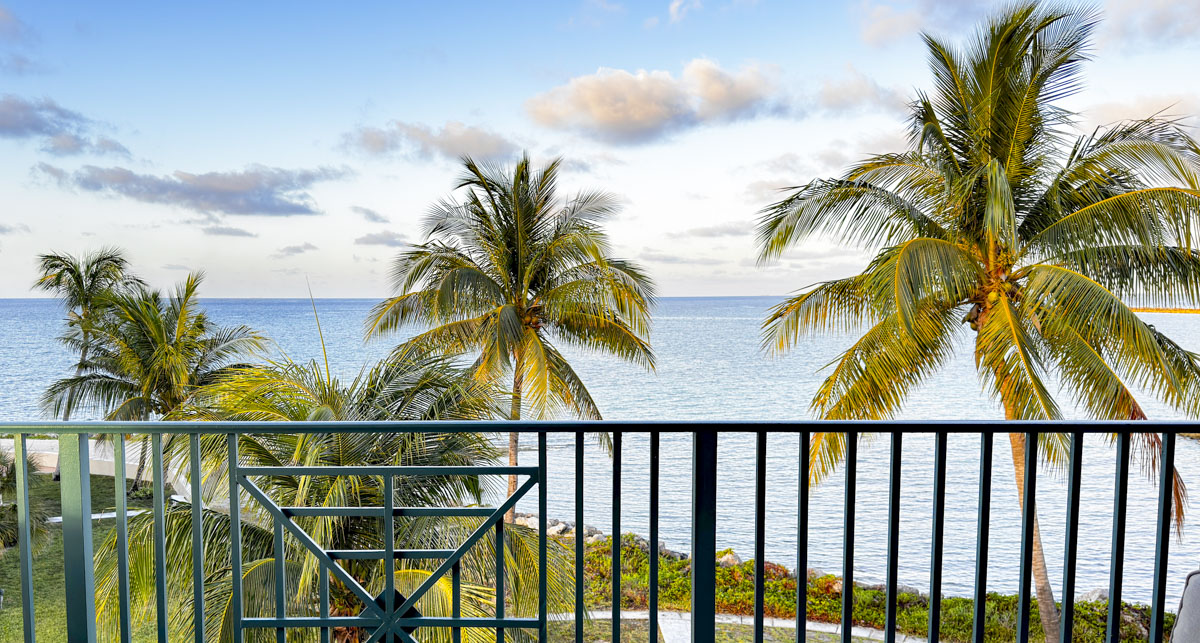
After each day on the water, we treated ourselves to excellent seafood, including fresh lobsters.
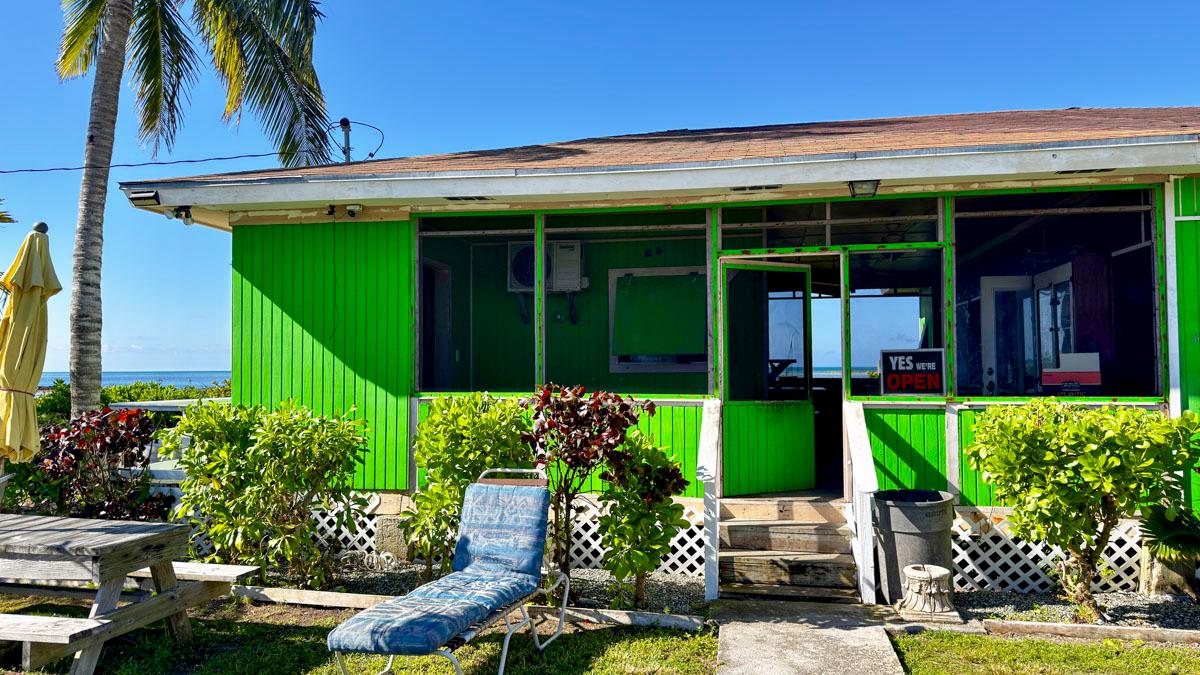
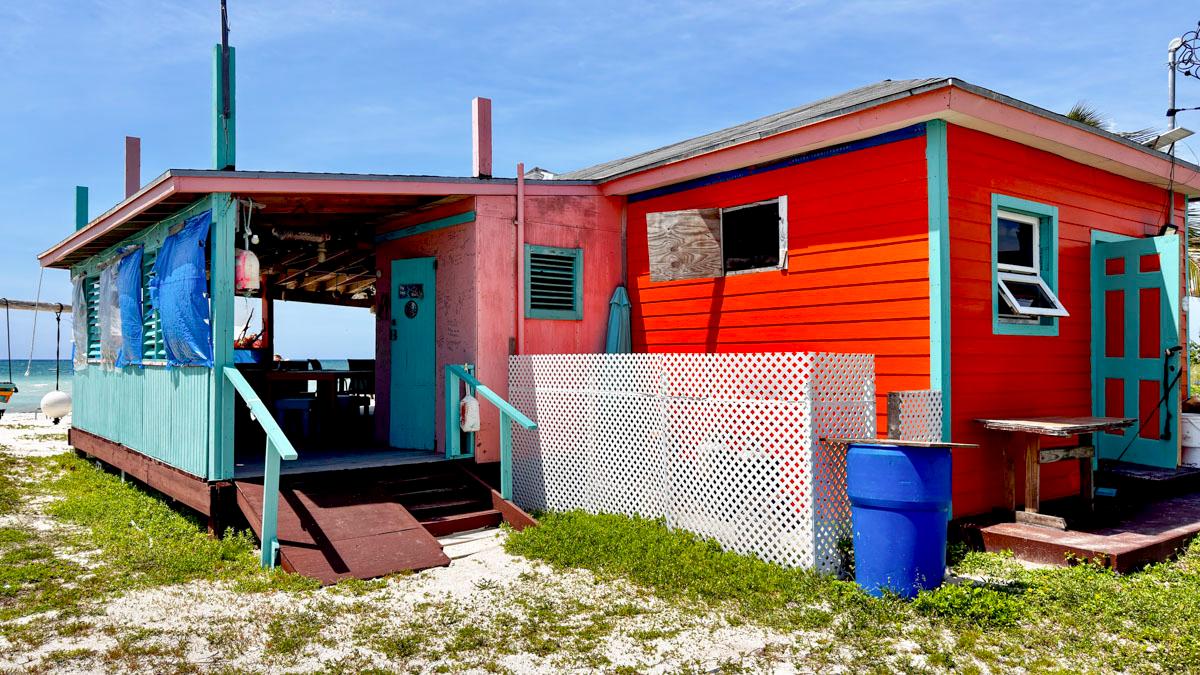
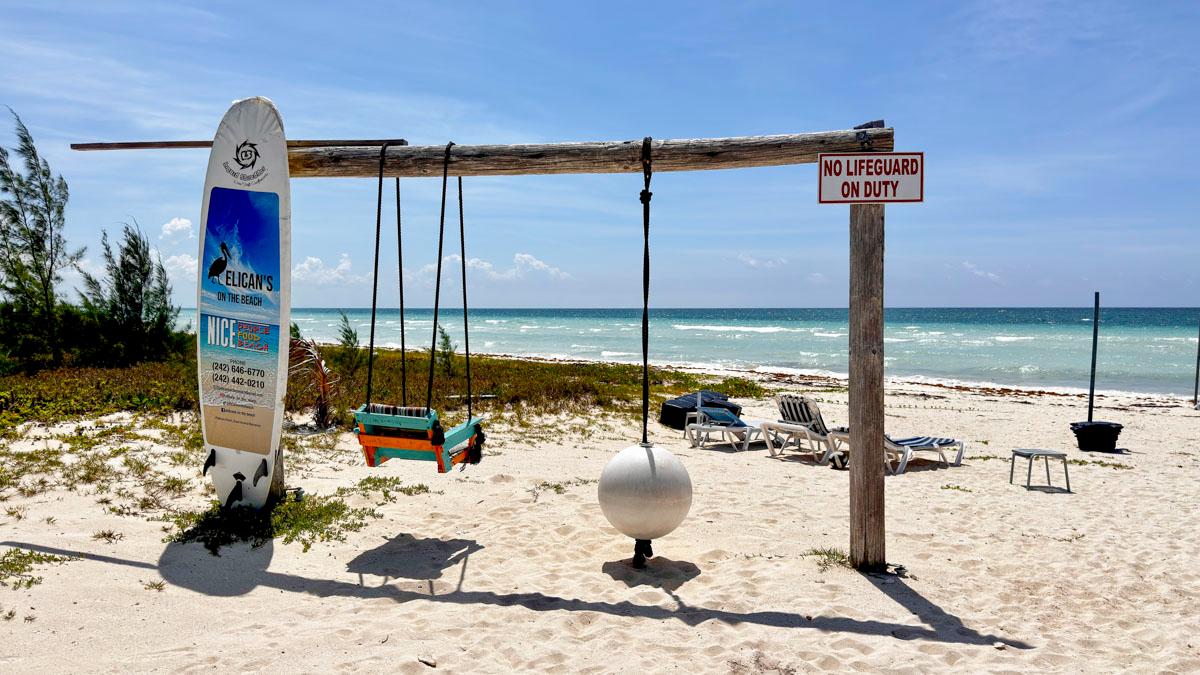
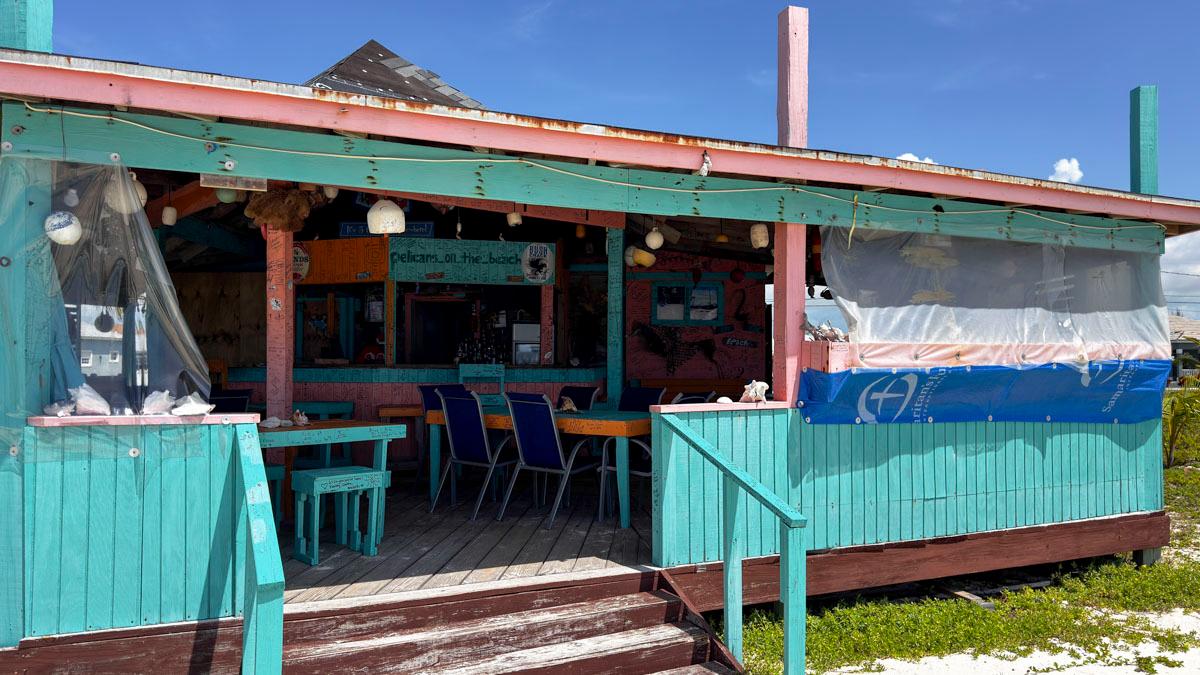
The six days flew by far too quickly. We savoured every single moment, both on and off the water, whether fighting a beautiful Bonefish or simply sharing stories and laughter with friends.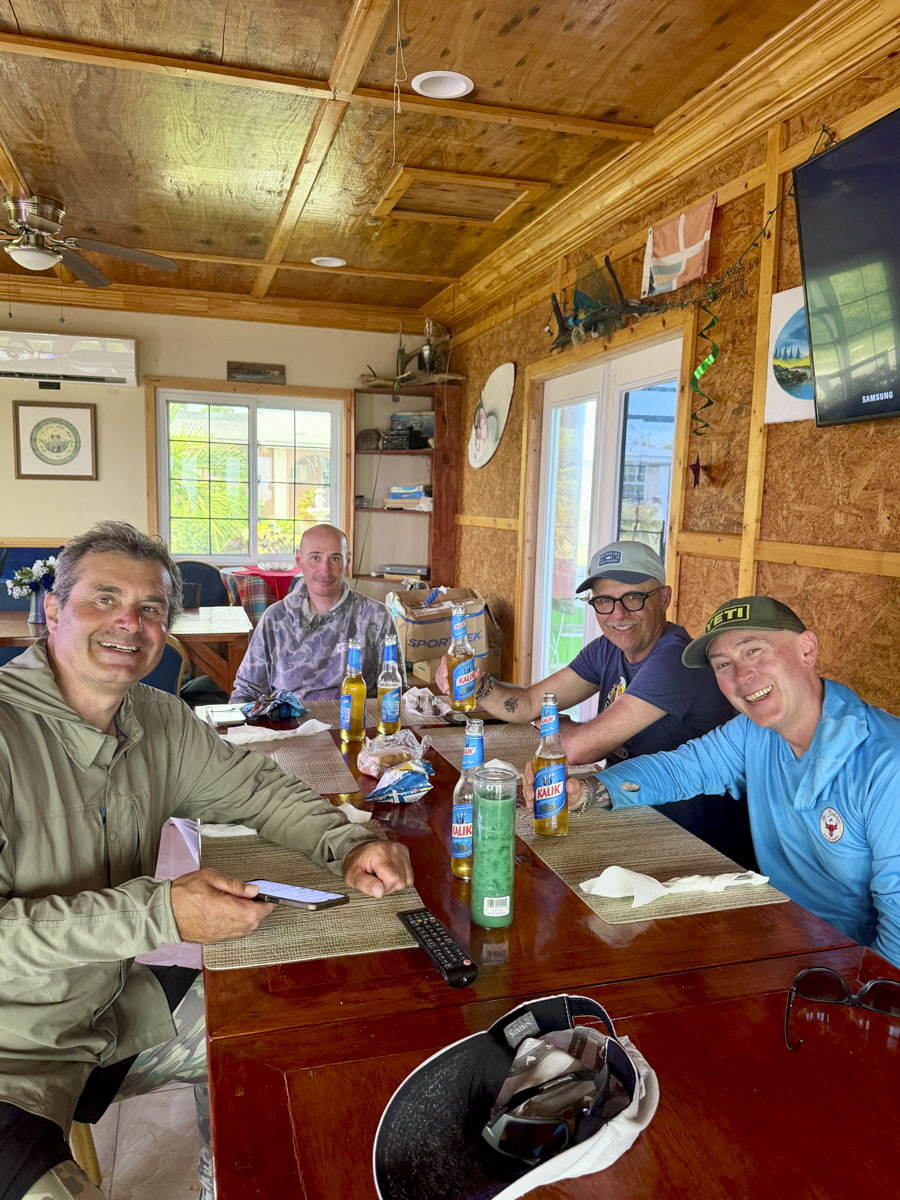
As with all great adventures, this one eventually had to come to an end. On the morning of May 13, we began the long journey home, already certain that we would be back again next year.
Marco Terzani.